





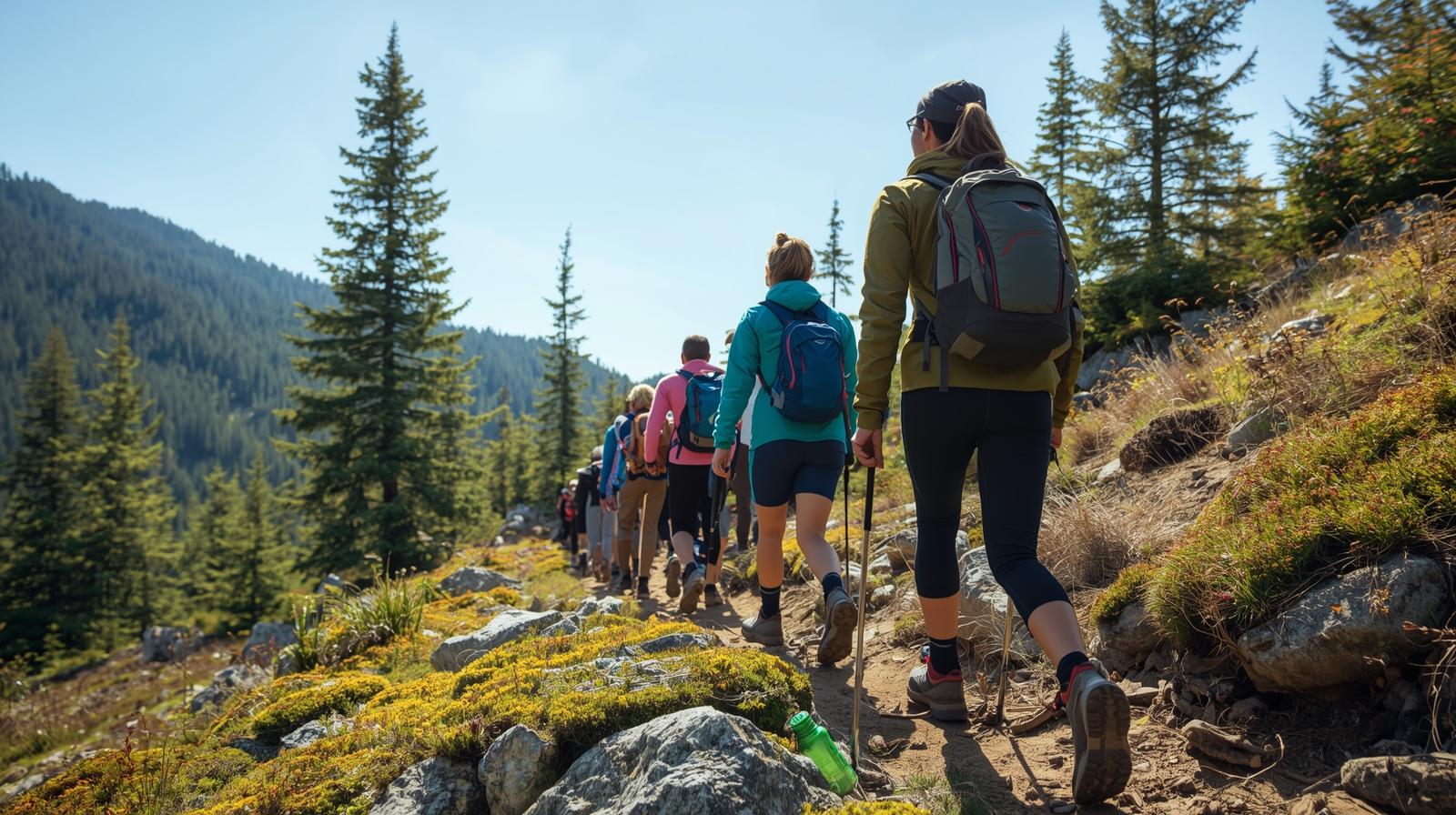


Last summer, I stood at the trailhead shivering in my cotton t-shirt while my hiking partner looked comfortable in her moisture-wicking layers. That embarrassing moment taught me everything about what to wear hiking and it’s a lesson I’ll never forget. Learning what to wear hiking properly can mean the difference between an enjoyable adventure and a miserable experience.
Understanding what to wear hiking can transform your outdoor experience from miserable to magnificent. With 59 million active hikers in the United States hitting the trails and hiking gaining over 2 million new participants recently, more people than ever need reliable guidance on proper hiking attire.
Why Proper Hiking Clothing Matters
The hiking gear market tells an interesting story. The global Hiking Gear and Equipment Market was valued at USD 25.62 Billion in 2024 and is projected to reach USD 37.75 Billion by 2033, reflecting how seriously outdoor enthusiasts take their equipment choices. Knowing what to wear hiking directly impacts your safety and enjoyment on the trail.
What clothes to wear for hiking isn’t just about comfort it’s about safety. According to National Safety Council data, approximately 200,000 hiking-related injuries occur annually in the U.S., with many stemming from inadequate preparation, including improper clothing.
The Three-Layer System: Foundation of What to Wear Hiking
Understanding what to wear hiking begins with the layering system. This tried-and-true approach gives you flexibility to adapt as conditions change throughout your adventure.
Base Layer: Your Moisture Management Foundation
The base layer sits directly against your skin and serves one critical purpose: wicking sweat away from your body. When considering what to wear hiking, never choose cotton for your base layer it absorbs moisture and keeps you uncomfortably damp. Smart decisions about what to wear hiking start with the right base layer selection.
Best Materials for Base Layers:
- Merino wool (natural odor resistance, temperature regulation)
- Polyester (quick-drying, affordable)
- Nylon blends (durable, lightweight)
I learned this lesson the hard way on a Colorado trail. My merino wool base layer kept me dry during a steep ascent, while my friend’s cotton shirt left them cold and miserable at the summit.
Mid Layer: Insulation for Warmth
Your mid layer traps body heat while allowing moisture to escape. What to wear hiking in cooler conditions demands a quality insulating layer.
Top Mid Layer Options:
- Fleece jackets (breathable, quick-drying)
- Down jackets (excellent warmth-to-weight ratio)
- Synthetic insulated jackets (performs when wet)
The hiking apparel market reflects these preferences. The clothes segment held the largest revenue share of 49.7% in the hiking gear & equipment industry in 2024, demonstrating how crucial proper clothing selection has become.
Outer Layer: Weather Protection
Your shell layer protects against wind, rain, and snow. When planning what to wear hiking in unpredictable weather, invest in a quality waterproof-breathable jacket.
Shell Layer Features:
- Gore-Tex or similar waterproof-breathable membranes
- Pit zips for ventilation
- Adjustable hoods and cuffs
- Lightweight, packable design
What to Wear Hiking: Bottom Half Essentials
Hiking Pants and Shorts
Choosing between pants and shorts depends on terrain, weather, and personal preference. What to wear hiking on your lower body should prioritize mobility and protection.
Pants Features to Consider:
- Quick-dry fabrics
- Articulated knees for movement
- Multiple pockets
- UPF sun protection
- Convertible zip-off options
When to Choose Shorts:
- Warm weather hiking
- Well-maintained trails
- Desert environments
When Pants Are Better:
- Brushy terrain
- Cold conditions
- High-altitude exposure
Hiking Footwear: The Foundation of What to Wear Hiking
Your feet carry you through every mile, making footwear selection critical when determining what to wear hiking. Many beginners wonder what to wear hiking on their feet, and the answer depends on trail difficulty, distance, and pack weight. The global outdoor footwear market is projected to reach $22 billion by 2026, driven largely by innovation in hiking and trail shoes.
Types of Hiking Footwear
| Footwear Type | Best For | Weight | Ankle Support |
|---|---|---|---|
| Trail Runners | Day hikes, light loads | Lightest | Minimal |
| Hiking Shoes | Day hikes, moderate terrain | Light | Low |
| Mid-Cut Boots | Multi-day trips, uneven trails | Medium | Moderate |
| High-Cut Boots | Heavy loads, challenging terrain | Heaviest | Maximum |
Recent innovations have transformed hiking footwear. Technologies like Gore-Tex membranes and EVA midsoles enhance both waterproofing and cushioning, making modern hiking boots lighter and more comfortable than ever.
Accessories: Completing What to Wear Hiking
Understanding what to wear hiking extends beyond major clothing pieces to include essential accessories that enhance comfort and safety.
Socks
Never underestimate sock quality when planning what to wear hiking. Choose moisture-wicking materials like merino wool or synthetic blends. Avoid cotton socks they cause blisters and discomfort. Proper socks are an essential part of what to wear hiking.
Hats and Headwear
Sun protection is crucial. Wide-brimmed hats shield your face and neck during summer hikes, while beanies or headbands keep you warm in colder conditions.
Gloves
Even in shoulder seasons, bring lightweight gloves. Temperature drops quickly at elevation, and what to wear hiking should account for unexpected weather changes.
Seasonal Considerations for What to Wear Hiking
Spring Hiking Attire
Spring brings unpredictable weather. Layer strategically and pack rain protection. Moisture-wicking base layers become essential as temperatures fluctuate throughout the day.
Summer Trail Clothing
Focus on sun protection and breathability. Lightweight, quick-dry fabrics work best. Consider what to wear hiking in hot conditions UPF-rated clothing, ventilated shirts, and moisture-wicking materials.
Fall Hiking Gear
Autumn demands versatile layering. Temperature swings require thoughtful planning of what to wear hiking. Bring extra insulation for early morning starts and high-elevation exposure.
Winter Hiking Essentials
Winter hiking requires serious preparation. Understanding what to wear hiking in cold conditions can prevent hypothermia. Heavyweight base layers, insulated mid layers, and windproof shells become non-negotiable.
Special Terrain Considerations
Desert Hiking
Desert environments demand sun protection and breathability. Light-colored, loose-fitting clothing reflects heat. When deciding what to wear hiking in arid climates, prioritize ventilation over insulation.
Mountain and Alpine Hiking
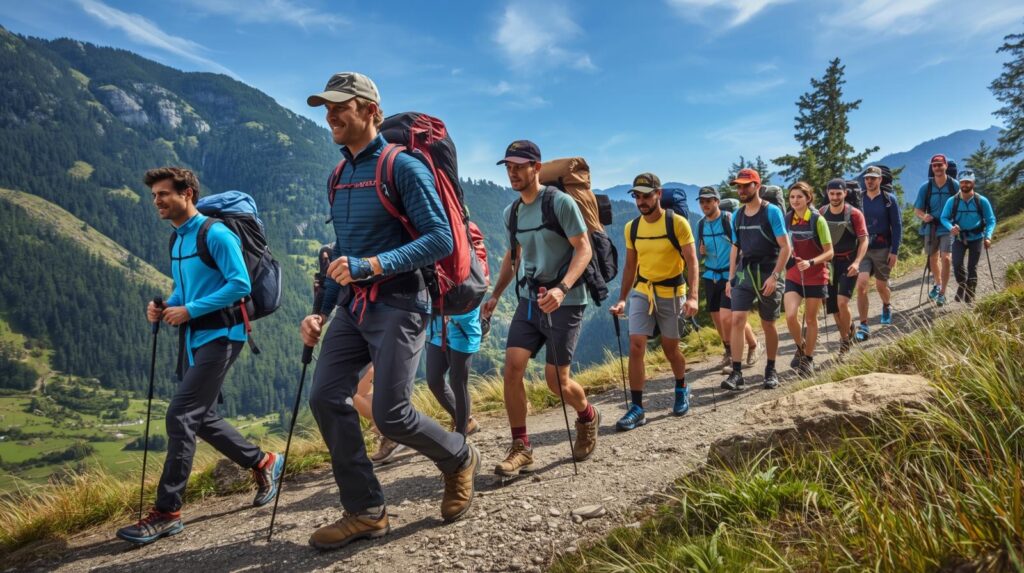
Elevation changes everything. Weather shifts rapidly in alpine environments, making layering crucial. Pack extra insulation even for summer mountain adventures.
Forest and Jungle Trails
Humid environments require exceptional moisture management. Quick-dry fabrics and ventilation features matter most when considering what to wear hiking in tropical conditions.
Current Hiking Fashion and Performance Trends
The outdoor industry continues evolving. 57% of consumers express a preference for sustainable products, driving manufacturers toward eco-friendly materials and ethical production.
2026 Hiking Clothing Trends:
- Recycled and sustainable fabrics
- Smart textiles with temperature regulation
- Ultralight materials
- Versatile designs for multi-activity use
- Enhanced breathability technologies
Women’s participation in hiking has grown significantly, with a 20% increase in women participating over the last five years. This shift has prompted brands to expand their offerings with better-fitting, feature-rich options specifically designed for female hikers.
Common Mistakes When Choosing What to Wear Hiking
Wearing Cotton
The biggest mistake hikers make. Cotton retains moisture, causing discomfort and potential hypothermia. Always choose synthetic or wool fabrics.
Overdressing
Many beginners overdress for hikes. You’ll warm up quickly once moving. Start slightly cool; you’ll reach a comfortable temperature within 10-15 minutes.
Ignoring Weather Forecasts
Check conditions before every hike. What to wear hiking depends heavily on expected weather, and mountain forecasts change rapidly.
Forgetting Extra Layers
Even experienced hikers get caught unprepared. Always pack at least one additional insulating layer, regardless of forecast.
Budget-Friendly Approach to What to Wear Hiking
Quality hiking clothing requires investment, but you don’t need to empty your wallet. The median annual expenditure for a hiker in the U.S. is around $250, covering gear, travel, and park fees.
Money-Saving Tips:
- Buy versatile pieces that work across seasons
- Shop end-of-season sales
- Consider previous-year models
- Invest in base layers and footwear first
- Check outdoor gear consignment shops
- Look for viralmagazines deals and reviews
Caring for Your Hiking Clothes
Proper maintenance extends clothing lifespan and maintains performance. Wash technical fabrics according to manufacturer instructions, use appropriate detergents, and reapply DWR coatings periodically.
Maintenance Tips:
- Wash after every 3-5 uses
- Air-dry when possible
- Store in cool, dry locations
- Repair small damages immediately
- Refresh waterproofing annually
Conclusion: Your Hiking Wardrobe Essentials
Understanding what to wear hiking transforms outdoor adventures. The layering system base, mid, and outer layers provides flexibility for any condition. Prioritize moisture-wicking fabrics, avoid cotton, and invest in quality footwear.
Remember, what to wear hiking evolves with experience. Start with essential layers, learn what works for your body and climate, and build your hiking wardrobe gradually. The trails await, and proper clothing ensures you’ll enjoy every step comfortably and safely.
With hiking participation continuing to grow and the outdoor industry innovating constantly, you’ll find more options than ever for what to wear hiking. Take time to test different combinations, listen to your body, and adjust your system based on real trail experience.
Frequently Asked Questions
Should I wear jeans hiking?
No, avoid jeans for hiking. Denim is heavy, restricts movement, and retains moisture. Choose quick-dry hiking pants or shorts made from synthetic or wool blends instead.
How many layers should I bring on a day hike?
Bring all three layers (base, mid, outer) even if you don’t think you’ll need them. Weather changes quickly, and it’s better to have layers in your pack than wish you’d brought them.
Can I hike in regular athletic clothes?
Yes, for short, easy trails in good weather. However, technical hiking clothes offer superior moisture management, durability, and weather protection for longer or more challenging hikes.
What’s the most important piece of hiking clothing to invest in?
Quality hiking boots or shoes. Your feet carry you through every mile, and proper footwear prevents blisters, injuries, and discomfort while providing necessary support and traction.
Is merino wool really worth the extra cost for what to wear hiking?
For many hikers, yes. Merino wool offers excellent temperature regulation, natural odor resistance, and comfort in varying conditions. It performs better than cotton and rivals synthetic fabrics, though it costs more and requires careful washing.
Ready to hit the trails with confidence in your hiking attire choices, or do you have more questions about what to wear hiking for your next adventure?