



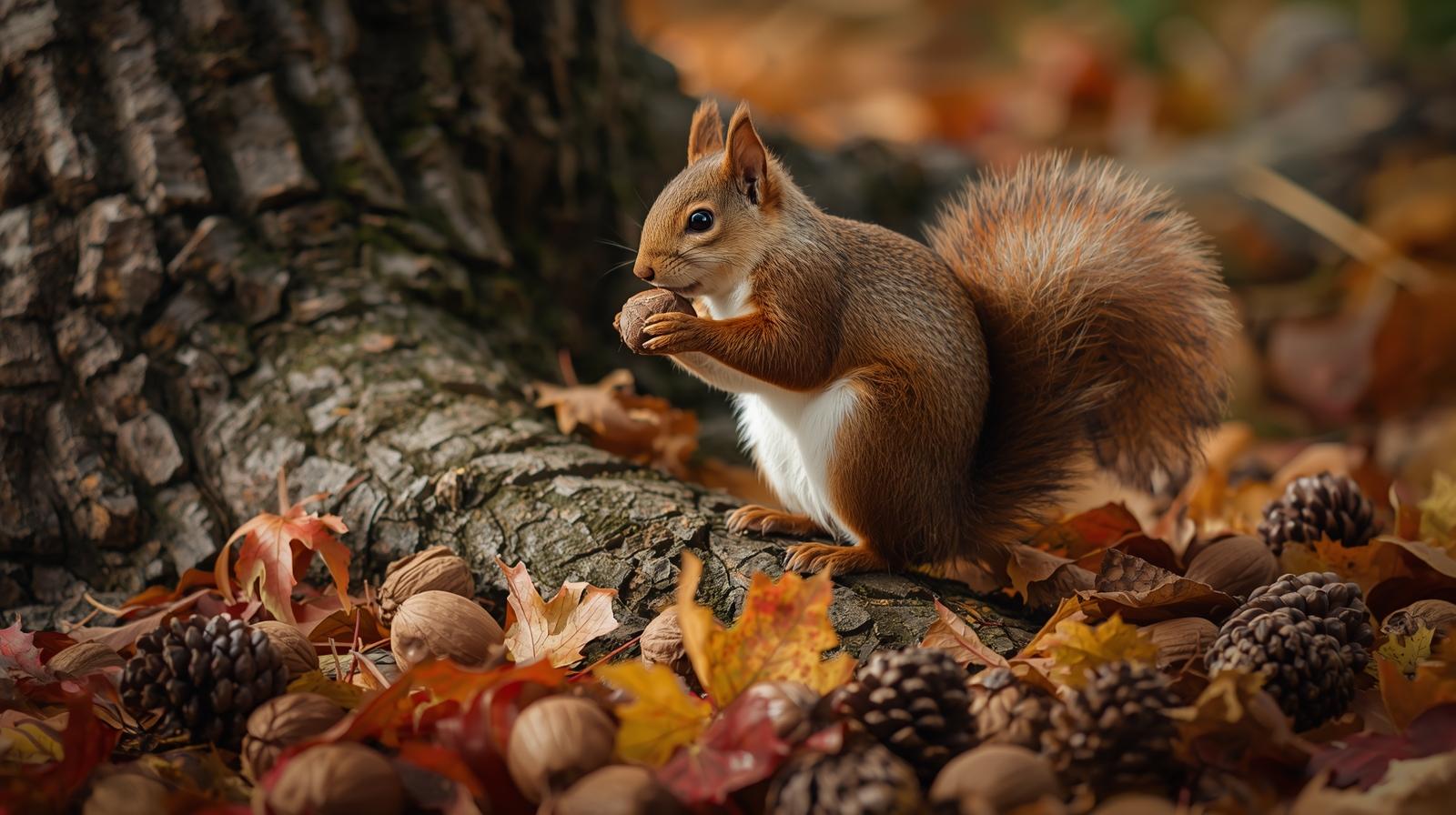




Every morning, I watch a bushy-tailed visitor scamper across my backyard fence, cheeks stuffed with something mysterious. That curious sight sparked my journey into understanding what do squirrels eat, and what I discovered surprised me far beyond the typical “just nuts” assumption most people hold.
Understanding Squirrel Dietary Habits
What do squirrels eat? The answer is far more complex and fascinating than you might imagine. With an estimated 200 to 300 million squirrels worldwide, these resourceful rodents have adapted to consume a remarkable variety of foods across different environments and seasons.
The diet of squirrels isn’t just about survival it’s a carefully balanced nutritional strategy that has evolved over millions of years. The oldest flying squirrel fossil dates back 11.63 million years, giving these creatures ample time to perfect their eating habits.
Primary Foods That Squirrels Consume Daily
Nuts and Seeds: The Foundation
When people ask what do squirrels eat, nuts immediately come to mind. This association isn’t wrong it’s just incomplete. Acorns serve as a particularly vital high-fiber staple food, though they require balancing with calcium sources due to their high phosphorus content.
What do squirrels eat from the nut family specifically? Their favorites include:
- Acorns (especially from oak trees)
- Hickory nuts
- Walnuts
- Beechnuts
- Pecans
- Pine nuts
Squirrels cache food by burying nuts for winter, using spatial memory and scent cues to relocate their hidden treasures. This behavior isn’t just about storage it inadvertently helps forests regenerate by planting seeds that sometimes go forgotten.
Fruits and Vegetation
What do squirrels eat beyond nuts? Seasonal fruits play a crucial role in their diet, providing essential vitamins and hydration. According to research, squirrels consume:
- Berries (strawberries, blackberries, raspberries)
- Apples
- Cherries
- Plums
- Tree buds and flowers
- Maple samaras (those helicopter-shaped seeds)
In early spring, maple buds are a favorite food source, demonstrating how what do squirrels eat changes with seasonal availability.
Regional and Seasonal Dietary Variations
What Do Squirrels Eat Across Different Habitats
Over 65 different species of squirrel exist in the United States alone, each with specialized dietary preferences based on their environment.
| Squirrel Species | Primary Diet | Habitat |
|---|---|---|
| Eastern Gray Squirrel | Acorns, hickory nuts, bird seed | Urban and suburban areas |
| Red Squirrel | Pine seeds, fungi, spruce cones | Coniferous forests |
| Western Gray Squirrel | Douglas-fir seeds, acorns, hazelnuts | Mixed forests |
| Flying Squirrel | Insects, nuts, tree sap | Dense woodlands |
The Washington State study on squirrel diets revealed fascinating differences. Western gray squirrels foraged heavily on green cones during July and August, while eastern gray squirrels rarely consumed conifer seeds.
Seasonal Dietary Shifts
What do squirrels eat throughout the year? Their menu transforms dramatically:
Spring: Tree buds, maple seeds, fresh shoots
Summer: Fruits, berries, insects, bird eggs
Fall: Nuts, acorns, pine cones (hoarding season)
Winter: Cached nuts, fungi, tree bark, stored seeds
Protein Sources: The Unexpected Side
Here’s where what do squirrels eat gets truly surprising. While primarily herbivorous, squirrels eat insects, and some have even been known to snack on small birds and small mammals.
What do squirrels eat for protein specifically? Their animal-based foods include:
- Crickets and grasshoppers
- Caterpillars and larvae
- Bird eggs (when accessible)
- Small vertebrates (rarely)
- Fungi and mushrooms (excellent protein source)
Fungi genera including Geopora and Melanogaster were common in the diets of each squirrel species studied, with truffle consumption showing distinct seasonal patterns.
I’ve personally observed squirrels raiding bird nests in my neighborhood a behavior that initially shocked me but makes complete sense from a nutritional standpoint when other protein sources are scarce.
Urban vs Wild: Different Dining Experiences
What Do Squirrels Eat in Cities
Urban squirrels have become remarkably adaptable scavengers. In urban environments, a trash bin or fast food droppings will suffice when natural foods aren’t available.
City squirrels commonly consume:
- Bird feeder contents (sunflower seeds, corn)
- Human food scraps
- Garden vegetables
- Ornamental plant bulbs
- Pizza crust (unfortunately common)
Wild Squirrel Diets
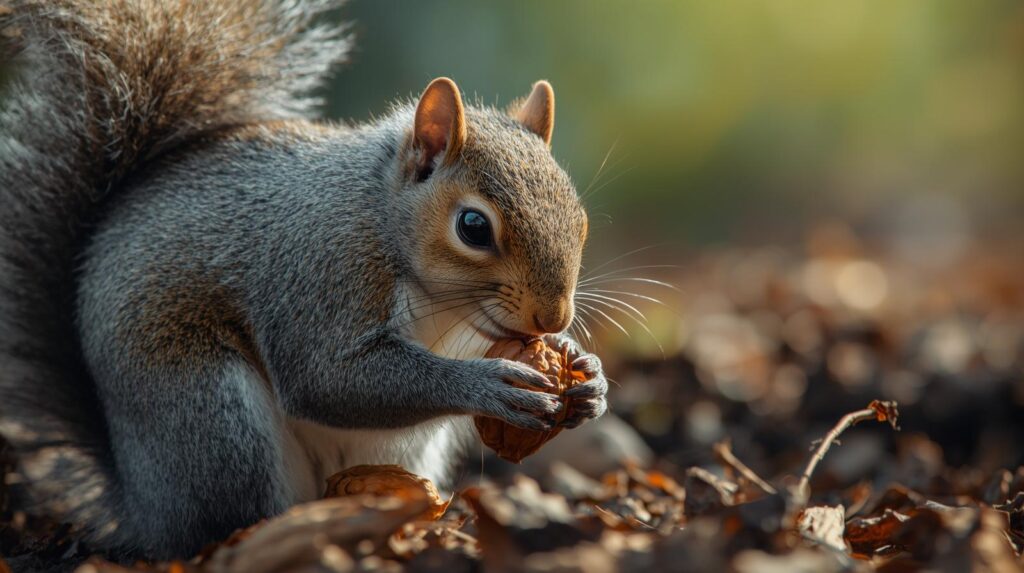
What do squirrels eat in their natural forest habitat? The answer reflects a more balanced, nutritionally complete diet:
Red squirrels in their natural habitat consume mainly pine seeds, nuts, fungi, and buds. This wild diet ensures they receive proper nutrition without the health problems associated with processed human foods.
Nutritional Requirements and Balance
Critical Dietary Components
What do squirrels eat to maintain optimal health? Squirrels need a balanced diet containing protein, fat, vitamins and minerals, including lots of calcium.
The calcium-to-phosphorus ratio is particularly crucial. Many foods are high in phosphorus and require balancing with natural calcium sources to prevent Metabolic Bone Disease.
High-calcium vegetables that answer what do squirrels eat for bone health include:
- Kale and collard greens
- Dandelion greens
- Bok choy
- Turnip greens
- Watercress
Foods to Avoid Feeding Squirrels
While understanding what do squirrels eat naturally, it’s equally important to know what they shouldn’t consume. Avocado and onion contain substances that can be toxic to squirrels.
Other harmful foods include:
- Processed human foods
- Sugary treats and candy
- Salted snacks
- Dried fruit (too much sugar)
- Raw peanuts (can carry harmful aflatoxins)
Check out Viralmagazines for more wildlife nutrition insights and backyard visitor guides.
Squirrel Population Trends and Food Availability
In North America alone, approximately 120 million Eastern gray squirrels thrive, their success largely attributed to their dietary flexibility.
However, environmental changes, urbanization, and human activities increasingly impact squirrel habitats, affecting what do squirrels eat and their ability to find adequate nutrition.
Climate change presents particular challenges. Warmer conditions favor certain tree species over others, leading to changes in nut and seed availability, which directly impacts squirrel populations and their traditional food sources.
For current conservation efforts and wildlife management strategies, consult Statista for comprehensive ecological data.
Personal Observations and Expert Insights
After years of watching backyard squirrels, I’ve noticed distinct preferences among individuals. Some consistently choose hickory nuts over walnuts, while others prefer maple seeds. This individual variation in what do squirrels eat suggests personality differences and learned behaviors passed between generations.
Wildlife researchers confirm this observation. The diversity in what do squirrels eat reflects not just species differences but also cultural transmission of food preferences within squirrel communities.
Feeding Squirrels Responsibly
If you choose to supplement what do squirrels eat in your yard, follow these guidelines:
- Offer unsalted, in-shell nuts
- Provide fresh water daily
- Use squirrel-specific feeders
- Clean feeding stations regularly
- Limit quantities to encourage natural foraging
Feeding activity typically peaks early morning and late afternoon, when predators are less active.
Conservation and Future Outlook
Understanding what do squirrels eat becomes increasingly important as habitats change. The Mount Graham red squirrel population, which dropped to just 35 individuals after the 2017 Frye Fire, has recovered to 233 squirrels, partly due to improved forest management that ensures adequate food sources.
This recovery demonstrates how protecting natural food sources directly impacts squirrel survival. What do squirrels eat isn’t just trivia it’s fundamental to conservation success.
Conclusion
So, what do squirrels eat? Everything from acorns and pine nuts to insects and fungi, with their diet varying by species, season, and habitat. These 200-300 million animals worldwide have perfected the art of opportunistic feeding while maintaining surprising nutritional sophistication.
The next time you see a squirrel, remember: you’re watching a survival expert whose dietary choices reflect millions of years of evolution. What do squirrels eat tells us not just about these fascinating creatures, but about the ecosystems they help maintain through seed dispersal and forest regeneration.
Frequently Asked Questions
What Do Squirrels Eat Most Frequently?
Squirrels eat nuts most frequently, with acorns, walnuts, and hickory nuts forming the foundation of their diet. However, they also regularly consume fruits, seeds, fungi, and insects depending on seasonal availability.
Can Squirrels Eat Human Food Safely?
While squirrels can eat some human foods, most are unhealthy for them. Avoid feeding squirrels processed foods, sugary treats, salted snacks, or bread. Stick to unsalted nuts and fresh vegetables if supplementing their diet.
What Do Squirrels Eat in Winter?
In winter, squirrels eat primarily from their cached food supplies nuts and seeds they buried during fall. They also consume tree bark, dormant buds, and any remaining pine cones. Some species eat fungi that remains available year-round.
Do All Squirrel Species Eat the Same Foods?
No, different squirrel species have distinct dietary preferences. Red squirrels favor pine seeds and fungi, gray squirrels prefer acorns and hickory nuts, while flying squirrels consume more insects and tree sap than their ground-dwelling cousins.
How Much Food Do Squirrels Eat Daily?
Squirrels typically eat approximately 1–1.5 pounds of food per week, though this varies by species and season. During fall, they dramatically increase consumption to build fat reserves and create food caches for winter survival.
Final Question: Have you noticed what squirrels in your neighborhood prefer to eat, and does it match what researchers have discovered about their species?