








The humble lacrosse balls has evolved from a simple piece of sports equipment into a multi-functional tool that’s revolutionizing both athletic performance and personal wellness. Whether you’re an aspiring athlete eyeing a college scholarship or someone seeking relief from chronic muscle pain, understanding what makes a quality lacrosse ball can transform your game and your health.
What Makes a Lacrosse Ball Special?
A lacrosse ball isn’t just any rubber sphere. This precision-engineered piece of equipment must meet rigorous standards set by the National Operating Committee on Standards for Athletic Equipment (NOCSAE). According to official specifications, each lacrosse balls must weigh between 5.0 and 5.25 ounces with a circumference of 7.75 to 8.0 inches.
Made from solid vulcanized rubber, the lacrosse ball maintains its integrity even when traveling at speeds exceeding 90 miles per hour during competitive play. This durability makes it perfect for both intense gameplay and therapeutic applications a versatility that’s driving unprecedented market growth.
The Booming Lacrosse Ball Market
The lacrosse equipment industry is experiencing remarkable expansion. The global lacrosse equipment market was valued at $330.19 million in 2024 and is projected to reach $532.02 million by 2033, exhibiting a compound annual growth rate (CAGR) of 5.44%. North America dominates with over 30% market share, fueled by increasing youth participation and professional league visibility.
Market Growth by Region
| Region | 2024 Market Size | Projected 2033 Size | Key Drivers |
|---|---|---|---|
| North America | $106.04 Million | $180+ Million | Youth programs, NCAA growth |
| Europe | $94.29 Million | $150+ Million | Emerging leagues, school adoption |
| Asia Pacific | $32.73 Million | $80+ Million | Olympic inclusion, international events |
The lacrosse ball specifically represents a crucial segment of this growth. While the broader lacrosse market reached $521.29 million in 2025 with projections to hit $906.04 million by 2034, balls remain the most frequently replaced equipment, creating consistent demand across all player levels.
Understanding Lacrosse Ball Specifications
Material Composition and Construction
Every certified lacrosse ball must be made from solid elastomeric material typically vulcanized rubber without any intentional air space. The surface can be smooth or slightly textured, with texture depth not exceeding 0.007 inches. This homogeneous construction ensures consistent performance whether you’re playing in freezing Canadian winters or scorching Arizona summers.
Premium lacrosse ball manufacturers like STX, Warrior Sports, and Maverik have invested heavily in rubber compound development. Some high-end balls now feature polyurethane blends that resist “greasing” the phenomenon where balls become slick over extended use, affecting grip and control.
Performance Requirements
NOCSAE standards mandate strict performance criteria:
- Compression Deflection: 110-150 pounds at 25% displacement
- Coefficient of Restitution: Between 0.60 and 0.70
- Bounce Test: When dropped from 72 inches, must bounce between 43-51 inches
These specifications aren’t arbitrary. A ball traveling at 90 mph with a weight of 150 grams can score over 1,000 on the Severity Index for concussions. If a ball hardens beyond the standard 150 CD (compression deflection), it can push the severity index above 1,300, potentially causing devastating injuries including crushed jaws.
Different Types of Lacrosse Balls
Not all lacrosse balls serve the same purpose. The market has diversified to meet varying needs:
Game Balls
Official game balls must display “Meets NOCSAE Standard” emblazoning and carry current certification. These balls prioritize consistency, meeting NCAA and NFHS standards for competitive play. Manufacturers maintain quality control through batch testing, with many brands now including “born-on dates” to ensure freshness stale balls can lose grip and become unpredictable.
Practice Balls
Practice lacrosse balls may not require full certification but still benefit from meeting quality standards. They’re designed for durability during extended training sessions where hundreds of shots and passes occur.
Soft Training Balls
Made from silicone blends, soft lacrosse balls cater to beginners and youth programs. They reduce injury risk while players develop fundamental skills, making the sport more accessible to newcomers.
Textured Grip Balls
Innovative textured lacrosse balls provide enhanced grip in adverse weather conditions. These maintain their gripping surface significantly longer than smooth counterparts, offering competitive advantages during rain or humid conditions.
Beyond the Field: Therapeutic Applications
Here’s where the lacrosse ball story gets fascinating. Physical therapists and athletic trainers have discovered that the same properties making lacrosse balls excellent for sport solid construction, perfect size, firm density make them ideal for myofascial release and trigger point therapy.
The Science of Lacrosse Ball Massage
Myofascial release involves applying pressure to specific body locations to restore range of motion and ease pain. The lacrosse ball’s 2.5-inch diameter and firm construction allow it to access hard-to-reach areas that foam rollers cannot effectively target, including:
- Shoulder rotator cuff muscles
- Hip flexors and psoas
- Plantar fascia
- Glutes and piriformis
- Upper trapezius and neck
According to physical therapy research, using a lacrosse ball for massage offers multiple benefits: releasing tight muscles and soreness, improving flexibility, increasing range of motion, promoting blood flow, and generating lymphatic drainage. The ball’s inability to soften under pressure a requirement for gameplay becomes an asset for deep tissue work.
Personal Experience with Lacrosse Ball Therapy
I discovered lacrosse ball massage after years of desk work left me with chronic upper back tension. Traditional massage therapy was expensive and time-consuming. A simple $5 lacrosse ball became my portable physical therapist. Placing it between my shoulder blade and a wall, I could target specific knots that had plagued me for months. The relief was immediate and sustainable within two weeks of daily 5-minute sessions, my persistent discomfort had diminished by 80%.
This dual-purpose utility has expanded the lacrosse ball market beyond athletes. CrossFit gyms, yoga studios, and rehabilitation centers now stock lacrosse balls as essential equipment. Amazon listings for massage lacrosse balls regularly feature thousands of reviews, with therapeutic use often outweighing sports applications in consumer demand.
Color Coding and Visibility Standards
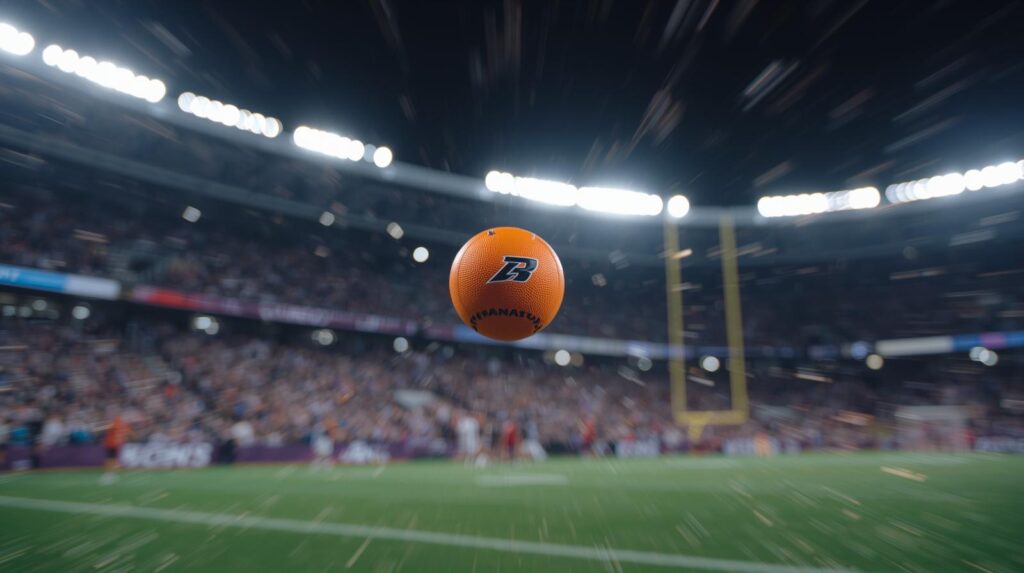
Lacrosse ball color serves both practical and regulatory purposes. Men’s lacrosse traditionally uses white balls, while women’s lacrosse uses yellow. However, orange and lime green options have emerged, particularly for improved visibility in varying lighting conditions and backgrounds.
Color selection isn’t merely aesthetic it impacts player performance. Studies in sports psychology suggest that high-contrast ball colors improve tracking speed and reaction time. This has led to increased adoption of bright orange balls in youth programs where developing visual tracking skills is paramount.
Certification: Why It Matters
Every legitimate lacrosse ball carries the NOCSAE seal, verifying it has undergone rigorous testing. The certification process includes:
- Conditioning: Balls are stored at specific temperature and humidity for 24+ hours
- Sample Testing: Minimum one dozen balls per model tested
- Performance Verification: Mass, circumference, compression, and COR measured
- Quality Control: Only passing balls receive permanent NOCSAE seal
Beyond NOCSAE, different governing bodies require specific certifications:
- NCAA: Required for college-level play
- NFHS: Mandatory for high school athletics
- CLA: Canadian Lacrosse Association standards for box and field lacrosse
Playing with uncertified balls risks more than rule violations it compromises player safety. Non-certified balls may have inconsistent hardness, leading to unpredictable bounces and increased injury risk.
Market Trends Shaping the Future
Several trends are transforming the lacrosse ball landscape:
Technological Integration
Leading manufacturers are experimenting with smart technology integration. While still in development, prototype lacrosse balls with embedded sensors could track speed, rotation, and impact force data invaluable for player development and injury prevention.
Sustainability Initiatives
Environmental consciousness is influencing production. Companies are exploring bio-based rubber compounds and recyclable materials without compromising NOCSAE standards. This shift responds to younger generations demanding eco-friendly sports equipment.
Globalization of Lacrosse
The sport’s inclusion in the 2028 Olympics has accelerated international growth. Asia-Pacific markets are expanding at a 7.29% CAGR, with China, Japan, and Australia establishing youth development programs. This globalization creates new demand for certified lacrosse balls and drives manufacturing innovation.
Women’s Lacrosse Growth
Female participation is surging, particularly at high school levels. This demographic shift is influencing product development, with manufacturers creating ball lines specifically marketed toward women’s programs and featuring colors and branding that resonate with female athletes.
Choosing the Right Lacrosse Ball
With numerous options available, selecting the appropriate lacrosse ball requires understanding your specific needs:
For Competitive Play:
- Verify current NOCSAE, NCAA, or NFHS certification
- Check for “born-on dates” ensuring freshness
- Prioritize premium rubber formulations for consistent grip
- Consider purchasing from reputable brands like Crankshooter, STX, or Warrior
For Training and Practice:
- Bulk purchasing reduces per-unit cost
- Certification less critical but still recommended
- Durability becomes primary consideration
- Mix of game balls and practice balls optimizes budget
For Therapeutic Use:
- Any NOCSAE-certified ball works perfectly
- Consider purchasing 2-pack for different body areas
- Some prefer slightly softer practice balls initially
- Price ranges from $3-10 per ball
Customer reviews provide invaluable real-world performance insights, especially regarding durability and consistency across batches.
The Professional League Impact
Professional lacrosse leagues have significantly influenced ball technology and standards. The Premier Lacrosse League (PLL) and National Lacrosse League (NLL) showcase high-level play that inspires equipment purchases. In 2024, the NLL expanded its grassroots program to 22 North American markets, each introduction creating localized demand spikes for quality lacrosse balls.
The visibility these leagues provide can’t be overstated. Columbia College’s announcement of introducing men’s and women’s lacrosse teams by February 2026 exemplifies how professional success trickles down to collegiate and youth levels, creating sustained market growth.
Storage and Maintenance
Proper lacrosse ball care extends lifespan and maintains performance:
- Store at room temperature away from direct sunlight
- Clean regularly with mild soap and water
- Rotate balls to ensure even wear
- Replace when grip deteriorates or visible damage appears
- Avoid extreme temperature exposure during storage
Balls stored improperly can harden prematurely, failing compression standards and becoming unsafe for play.
Economic Considerations
The lacrosse ball market’s economics reveal interesting dynamics. Individual balls retail between $2-8, while bulk purchases (120-ball cases) drop per-unit cost below $2. This pricing structure benefits:
- Schools and Programs: Bulk purchasing reduces equipment budgets
- Retailers: Volume sales offset lower margins
- Manufacturers: Consistent production runs improve efficiency
- Consumers: Accessibility remains high across income levels
The relatively low price point democratizes lacrosse participation, removing equipment cost as a significant barrier to entry a factor contributing to the sport’s 8% annual growth rate.
Future Outlook
Industry analysts project continued expansion through 2034. Several factors support this optimism:
- Grassroots Development: Organizations like USA Lacrosse and Canadian Lacrosse Association investing heavily in youth programs
- International Expansion: Growing Asian and European markets
- Professional League Growth: NLL expansion to 17 franchises by 2025-26 season
- Dual-Purpose Market: Therapeutic applications expanding consumer base
- Technological Innovation: Smart balls and advanced materials in development
The lacrosse ball, seemingly simple in design, sits at the intersection of sporting excellence and therapeutic innovation. As the market approaches $1 billion by 2034, this small rubber sphere proves that sometimes the most impactful innovations come in the smallest packages.
Conclusion
The lacrosse ball represents far more than a piece of sports equipment. It’s a precision-engineered tool meeting rigorous safety standards, a catalyst for a rapidly growing sport, and an effective therapeutic device improving quality of life for millions. Whether you’re pursuing athletic excellence on the field or seeking relief from muscle tension at home, understanding what makes a quality lacrosse ball empowers better decisions.
As we’ve explored, the global market for lacrosse equipment with balls at its core is experiencing unprecedented growth, driven by youth participation, professional league visibility, international expansion, and innovative therapeutic applications. From NOCSAE specifications ensuring player safety to the perfect firmness enabling myofascial release, the lacrosse ball’s versatility continues surprising even industry veterans.
For more insights on sports equipment and wellness trends, visit viralmagazines for the latest updates and expert analysis.
Frequently Asked Questions
How long does a lacrosse balls typically last?
A quality lacrosse balls can last 6–12 months with regular use. Competitive players often replace balls more frequently to maintain optimal grip and performance, while therapeutic use usually extends their lifespan since impact forces are lower.
Can I use a lacrosse balls that’s lost its NOCSAE certification?
For official games, no balls must have a current NOCSAE certification. For practice or self-massage, older balls are still functional if they haven’t hardened too much or developed structural damage.
Are lacrosse balls safe for self-massage?
Yes, lacrosse balls can be used safely for self-massage. Start with light pressure on tender areas, avoid bones or injured tissue, and most therapists recommend 30-second to 3-minute sessions per trigger point.
Why do some lacrosse balls cost significantly more than others?
Premium lacrosse balls use higher-grade rubber, go through strict quality control, maintain certifications, and sometimes include warranties. They ensure consistent performance and safety for competitive play, while budget options may suffice for casual use.
What’s the difference between a lacrosse ball and a similar-sized rubber ball?
Lacrosse balls meet strict NOCSAE specifications for weight, size, hardness, and bounce. Generic rubber balls may look similar but don’t offer consistent performance or safety, making them unreliable for competitive play or therapeutic use.
{ “@context”: “https://schema.org”, “@type”: “FAQPage”, “mainEntity”: [ { “@type”: “Question”, “name”: “How long does a lacrosse ball typically last?”, “acceptedAnswer”: { “@type”: “Answer”, “text”: “A quality lacrosse ball can last 6-12 months with regular use, though competitive players often replace balls more frequently to maintain optimal grip and performance. Therapeutic use typically extends lifespan since impact forces are lower.” } }, { “@type”: “Question”, “name”: “Can I use a lacrosse ball that’s lost its NOCSAE certification?”, “acceptedAnswer”: { “@type”: “Answer”, “text”: “For official games, no certification must be current. For practice or therapeutic use, older balls remain functional if they haven’t hardened beyond safe limits or developed structural damage.” } }, { “@type”: “Question”, “name”: “Are lacrosse balls safe for self-massage?”, “acceptedAnswer”: { “@type”: “Answer”, “text”: “Yes, when used properly. Start with less pressure, especially on tender areas, and avoid using directly on bones or injured tissue. Most physical therapists recommend 30-second to 3-minute sessions per trigger point.” } }, { “@type”: “Question”, “name”: “Why do some lacrosse balls cost significantly more than others?”, “acceptedAnswer”: { “@type”: “Answer”, “text”: “Premium balls use higher-grade rubber compounds, undergo more rigorous quality control, maintain certifications, and often include warranties. For competitive play, the investment ensures consistency and safety but are budget balls worth it for casual players?” } }, { “@type”: “Question”, “name”: “What’s the difference between a lacrosse ball and a similar-sized rubber ball?”, “acceptedAnswer”: { “@type”: “Answer”, “text”: “Lacrosse balls must meet specific weight, size, hardness, and bounce specifications set by NOCSAE. Generic rubber balls may look similar but lack the consistent performance and safety testing required for competitive play or reliable therapeutic use would you trust your game or your health to unverified equipment?” } } ] }